
Unveiling the Aftermath: Managing Soil Contamination After Disasters
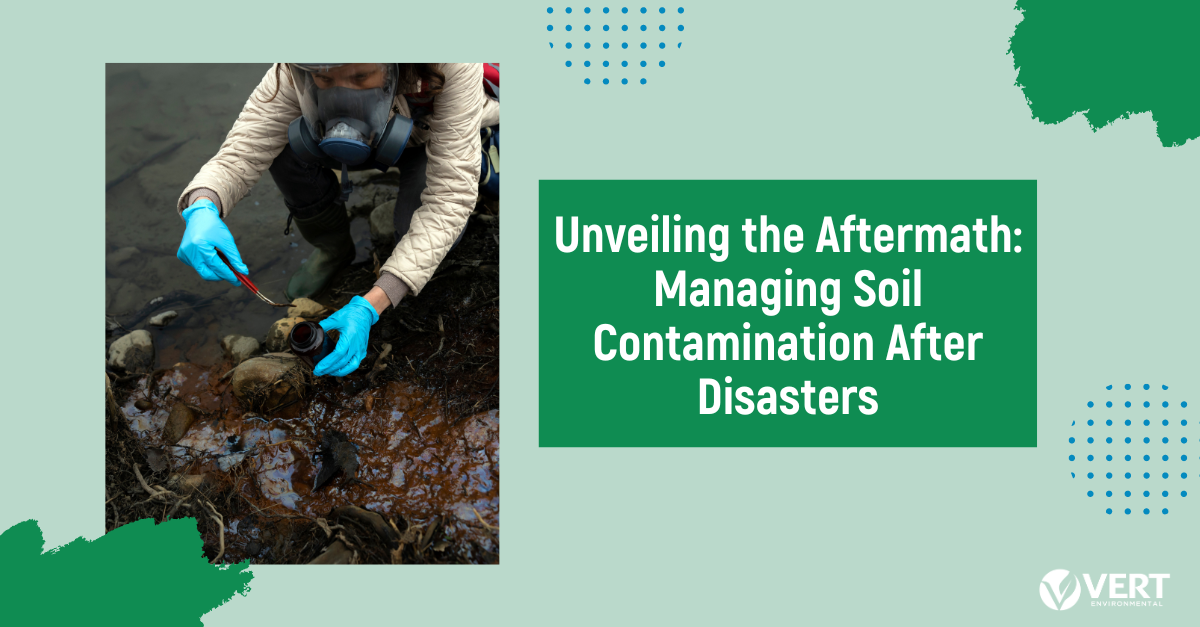
In the wake of natural disasters like floods, wildfires, and mudslides, the aftermath often leaves a trail of destruction that extends beyond what meets the eye. One critical aspect that demands immediate attention is the assessment and management of soil contamination. In this blog post, we’ll delve into the intricacies of damage assessment and soil contamination management, shedding light on essential strategies and the role of environmental professionals.
Understanding Damage Assessment
Damage assessment is the initial step in understanding the extent of devastation caused by natural disasters. This process involves a comprehensive evaluation of the affected area, including visual inspections, soil sampling, and laboratory analysis. Timely and accurate assessment is crucial for devising effective remediation plans and minimizing further environmental degradation.
Identifying Soil Contamination
Soil contamination can arise from various sources, including chemicals, heavy metals, and pathogens, posing significant risks to human health and the environment. Detecting soil contamination requires meticulous sampling and analysis techniques to identify the presence of contaminants accurately. Early identification enables prompt action to mitigate potential hazards and prevent further spread.
Impact of Soil Contamination
The repercussions of soil contamination extend far beyond the surface, affecting ecosystems, agriculture, and groundwater quality. Contaminants can disrupt natural habitats, hinder agricultural productivity, and seep into groundwater, posing long-term health risks to communities. Understanding these impacts underscores the urgency of effective soil contamination management strategies.
Soil Contamination Management Strategies
Remediating soil contamination necessitates a tailored approach based on the specific contaminants and the extent of contamination. Various remediation techniques, including physical, chemical, and biological methods, offer viable solutions for restoring soil health. Choosing the most suitable remediation strategy requires expertise and careful consideration of environmental factors.
Role of Environmental Professionals
Environmental professionals play a pivotal role in navigating the complexities of damage assessment and soil contamination management. Their expertise in environmental science, regulations, and remediation techniques ensures the implementation of safe and effective solutions. Collaborating with experienced professionals is paramount to achieving successful outcomes and safeguarding public health.
Damage assessment and soil contamination management are integral components of post-disaster recovery efforts, requiring a multidisciplinary approach and the expertise of environmental professionals. By understanding the nuances of soil contamination and implementing effective remediation strategies, we can pave the way for resilient communities and sustainable ecosystems.
Ready to assess and manage soil contamination? Contact Vert Environmental today for expert assistance: Visit Vert Environmental’s website at www.vertenviro.com.

Related Articles

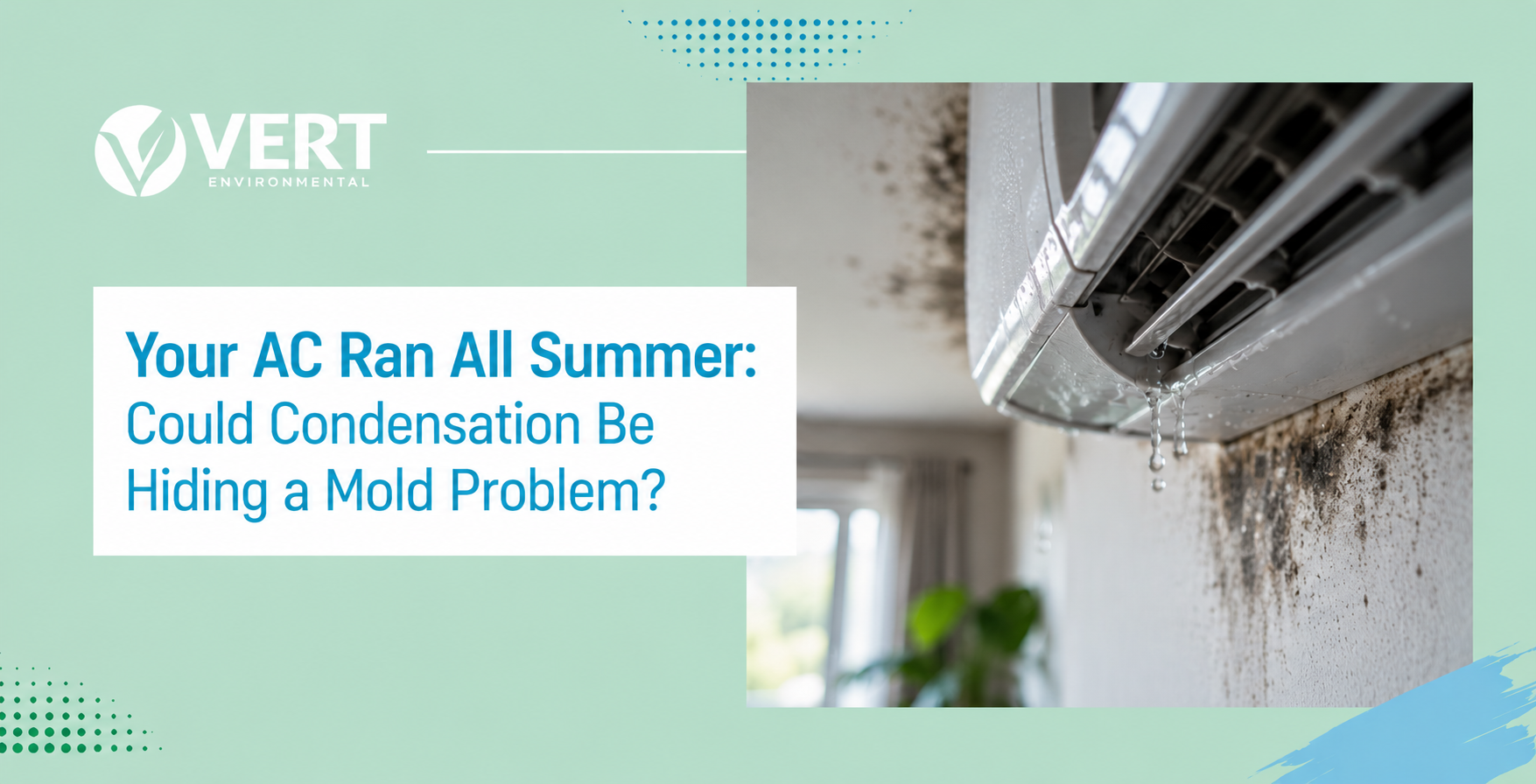
HVAC Mold Testing: 5 Warning Signs Your AC May Be Hiding Mold
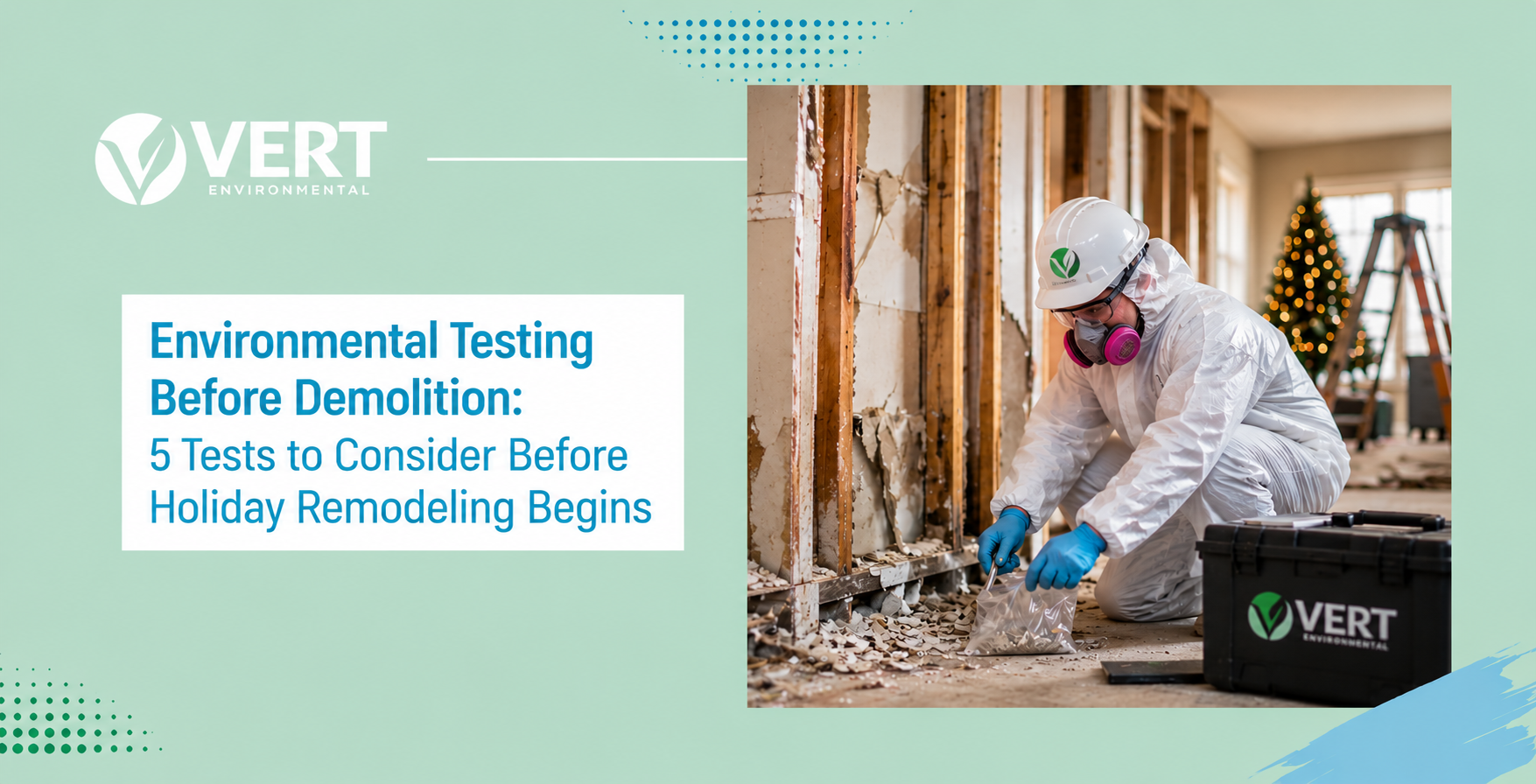
Environmental Testing Before Demolition: 5 Must-Know Tests Before Remodeling