Safe Classroom Returns: Winter Indoor Air Quality Tips
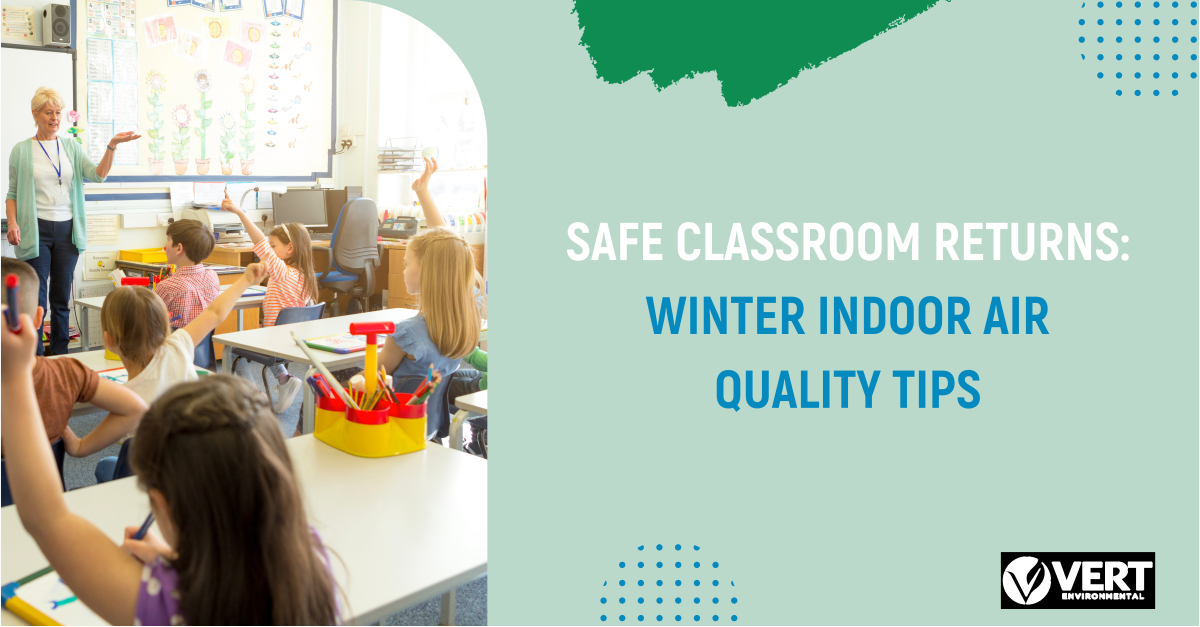
As winter approaches, schools are gearing up for the return of students and staff after the holidays. While the season brings with it a sense of anticipation and renewal, it also presents unique challenges to indoor air quality. In this guide, we’ll explore essential tips to ensure that your classrooms are safe and equipped with optimal indoor air quality for a successful return.
Winter Challenges to Indoor Air Quality
The Cold Season Conundrum
Winter can pose several challenges to indoor air quality. With colder weather comes the need for heating, which often means closed windows and less natural ventilation. This can result in a buildup of indoor pollutants and reduced air quality.
Importance of Indoor Air Quality in Schools
Why It Matters
Before we dive into the tips, it’s essential to understand why indoor air quality is vital for schools. Good indoor air quality enhances the learning environment, promotes student well-being, and can even boost concentration and productivity. Plus, it plays a crucial role in preventing the spread of illnesses, which is particularly crucial during the winter months.
HVAC System Maintenance
Heating and Cooling in Harmony
Your HVAC (Heating, Ventilation, and Air Conditioning) system is at the heart of indoor air quality. Here’s how to ensure it’s up to the task for the winter season:
- Regular Maintenance: Schedule routine maintenance to keep your HVAC system running efficiently.
- Clean Filters: Replace or clean filters to maintain proper airflow and reduce indoor allergens.
- Thermostat Check: Adjust thermostat settings to optimize comfort without overworking the system.
Proper Ventilation
Fresh Air Matters
Ventilation is crucial for maintaining fresh indoor air during winter. Here’s how to ensure proper airflow:
- Open Windows When Possible: When weather allows, open windows to bring in fresh air.
- Ventilation Systems: Ensure that ventilation systems are functioning correctly.
- Air Quality Monitors: Consider using air quality monitors to track and maintain air quality levels.
Indoor Air Pollutants
Identifying the Culprits
Understanding common indoor air pollutants and their sources is key to improving air quality during the winter:
- Heating Systems: Some heating methods can introduce pollutants. Ensure proper maintenance.
- Cleaning Products: Some cleaning products release harmful chemicals. Opt for eco-friendly options.
- Radon and Carbon Monoxide: Regularly test for radon and carbon monoxide, especially in older buildings.
Humidity Control
The Goldilocks Zone
Humidity levels can significantly impact indoor air quality. Aim for the right balance:
- Dry Winter Air: Combat dryness with humidifiers to maintain comfortable humidity levels.
- Excessive Humidity: Prevent mold growth by keeping humidity levels in check.
Winter Allergen Management
Defending Against Allergies
Winter can trigger indoor allergies. Here’s how to manage common allergens:
- Dust Mites: Wash bedding regularly in hot water and use allergen-proof covers.
- Mold: Prevent mold growth by addressing leaks promptly and keeping areas dry.
- Pet Dander: Vacuum frequently and bathe pets to reduce dander in the home.
Encouraging Safe Practices
Hygiene Matters
Promote safe practices to maintain indoor air quality and prevent the spread of illnesses:
- Handwashing: Emphasize the importance of regular handwashing among students and staff.
- Respiratory Etiquette: Teach students to cover their mouths and noses when coughing or sneezing.
- Illness Reporting: Encourage staff and students to report illness promptly to prevent the spread of germs.
Winter may bring challenges, but it also offers an opportunity to prioritize indoor air quality in your school. By implementing these tips, you can ensure a safe, healthy, and productive return to the classroom for everyone.
To schedule a comprehensive indoor air quality assessment for your school facility, visit Vert Environmental’s website at www.vertenviro.com.

Related Articles

HVAC Mold Testing: 5 Warning Signs Your AC May Be Hiding Mold
Environmental Testing Before Demolition: 5 Must-Know Tests Before Remodeling