Insight into Fire Damage: Safety Measures & Immediate Impact
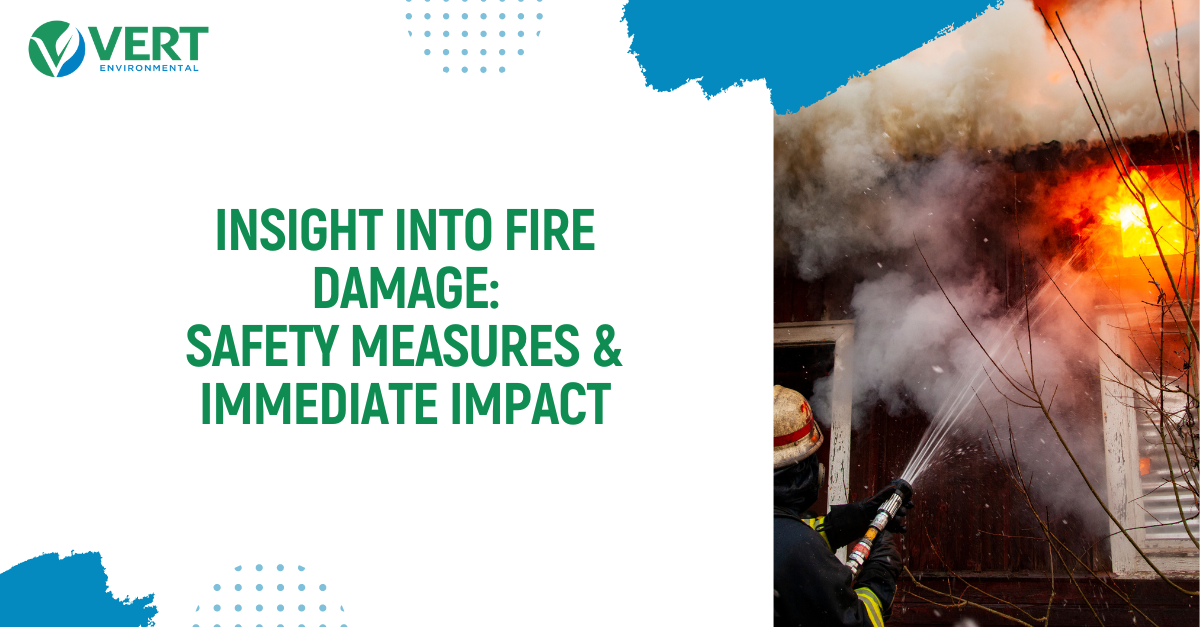
Fires can wreak havoc on homes, communities, and the environment, leaving behind a trail of destruction and posing immediate dangers to those affected. In this blog post, we’ll delve into the immediate impact of fire damage, explore crucial safety measures, and highlight the importance of understanding the environmental risks associated with fires.
Immediate Impact of Fire Damage
Fires leave behind a wake of destruction that can be devastating for both property and human health. Understanding the immediate impact is crucial for effective response and recovery efforts.
- Destruction of Property: Homes, businesses, and infrastructure can be reduced to ashes, leading to significant financial losses and emotional distress.
- Health Hazards: Smoke and soot inhalation can cause respiratory issues and exacerbate existing health conditions, posing a threat to both firefighters and residents.
- Structural Damage: Buildings may suffer structural damage, compromising their stability and safety.
Safety Measures During and After a Fire
Ensuring safety during and after a fire is paramount to minimizing injuries and preventing further damage.
- Evacuation Procedures: Follow evacuation orders promptly and have a predetermined evacuation plan in place.
- Protective Gear: Firefighters and residents should wear appropriate protective gear, including masks and goggles, to minimize exposure to harmful substances.
- Return Protocol: Only return to a fire-damaged property once authorities deem it safe to do so, and follow safety guidelines diligently.
Health Risks Posed by Fire Damage
The health risks associated with fire damage extend beyond the immediate aftermath and can have long-term implications.
- Inhalation of Toxic Gases: Fires release toxic gases and particulate matter into the air, which can lead to respiratory issues and other health complications.
- Respiratory Issues: Individuals exposed to smoke and soot may experience respiratory problems such as coughing, wheezing, and shortness of breath.
- Long-Term Effects: Prolonged exposure to fire-related pollutants may increase the risk of developing chronic health conditions over time.
Environmental Impacts of Fire
Fires have far-reaching environmental consequences, affecting ecosystems, air quality, and water resources.
- Ecosystem Damage: Fires can devastate natural habitats, destroy wildlife, and disrupt ecosystems, leading to long-term ecological imbalances.
- Soil and Water Contamination: Ash and debris from fires can contaminate soil and water sources, posing risks to human health and aquatic life.
- Air and Water Quality: Smoke and ash can degrade air quality and contribute to respiratory problems, while runoff from fire-damaged areas can pollute waterways.
Mitigation and Recovery Strategies
Effective mitigation and recovery efforts are essential for rebuilding communities and restoring environmental stability.
- Immediate Cleanup: Prompt cleanup and restoration efforts can help mitigate further damage and prevent secondary hazards.
- Community Support: Providing support services and resources to affected communities can aid in their recovery and rebuilding efforts.
- Long-Term Planning: Implementing measures to prevent future fires and mitigate their impacts is crucial for building resilient communities.
Understanding the immediate impact of fire damage, implementing safety measures, and addressing environmental risks are key steps in the recovery process. By prioritizing safety and environmental protection, communities can navigate the challenges of fire damage more effectively.
Ensure the safety of your home and family by getting your property tested for potential environmental hazards. Visit Vert Environmental’s website at www.vertenviro.com to learn more about our testing services and take proactive steps towards a safer, healthier environment.

Related Articles

Sewage Backup After Heavy Rain: When Testing Matters
Asbestos in Popcorn Ceilings: Test Before You Scrape