New GSA Drinking Water Testing Rules: What You Need To Know
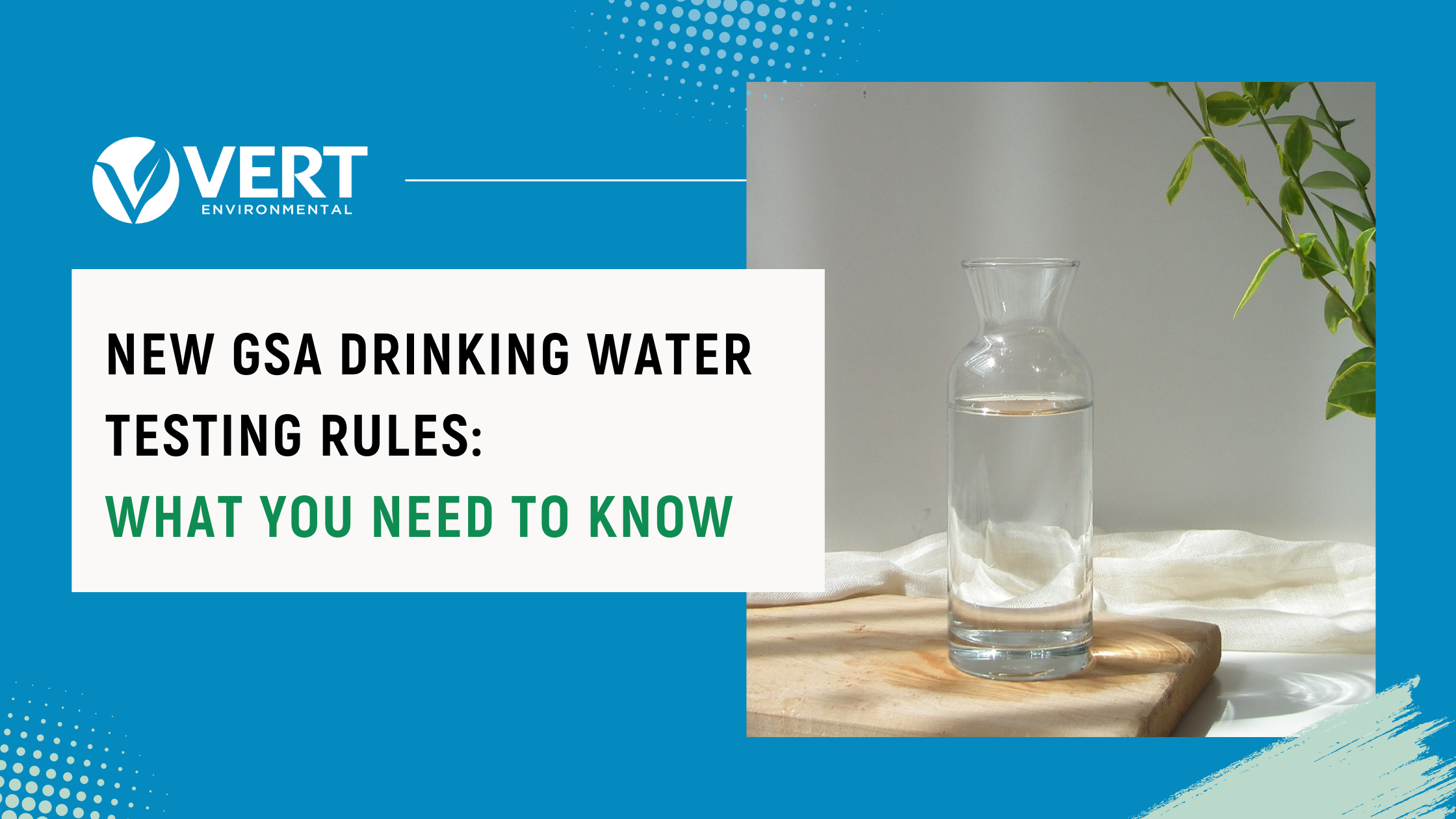
There’s good news when it comes to water safety in government buildings. The U.S. General Services Administration (GSA) has rolled out new water testing requirements designed to protect the health of the public—especially in facilities like government offices, child care centers, and health units.
Here’s a simple breakdown of what’s changing and what it means for property managers, contractors, and GSA-leased facilities:
What’s Changing?
The GSA’s Public Building Service now requires mandatory water quality testing in all federally leased public buildings. The goal? To catch any potential water contamination before it becomes a health risk.
Testing will now be required in places like:
-
Government offices
-
Child care centers
-
Health units
???? Learn more on the GSA Water Quality Management page
What Are They Testing For?
The focus is on four key contaminants that can pose serious health threats:
-
Legionella – A bacteria that can cause Legionnaires’ disease, commonly found in stagnant water areas (e.g., showers).
-
Lead & Copper – Metals from old plumbing, especially dangerous for children.
-
Total Coliform & E. coli – Signs of possible waterborne pathogens in drinking water systems.
Why Does This Matter?
Regular testing helps prevent public health issues. Even low levels of lead or Legionella can have serious long-term effects. The new rules help ensure safe drinking water for everyone—especially children and vulnerable groups.
Who Can Do The Testing?
The GSA requires that only qualified professionals handle the testing. Requirements include:
-
At least 2 years of experience
-
Certifications like:
-
ASSE 12080
-
Certified Industrial Hygienist (CIH)
-
-
Full compliance with OSHA, state, and local laws
At Vert Environmental, we’re proud to be one of the few environmental firms already certified for lead, copper, and E. coli testing—and we’re nearly certified for Legionella, too.
When Will Testing Begin?
No firm dates have been announced yet, but once it starts, the GSA will require:
-
Testing on a regular schedule
-
Immediate reporting of unsafe results (within 24 hours)
-
Fast corrective action
How the Testing Process Works
-
Preparation
-
Choose testing locations
-
Let water outlets sit unused 8–18 hours beforehand
-
-
Sampling
-
Conduct tests after a typical business day (not Mondays or post-holidays)
-
Take photos and record outlet conditions
-
-
Reporting
-
Send results to GSA within 24 hours if contamination is found
-
Submit a detailed written report
-
A Positive Step Forward
This is a big step for public health. With better oversight and more frequent testing, we’re helping to ensure safer drinking water for everyone who uses GSA-leased buildings.
Need Certified Water Testing?
At Vert Environmental, we’re ready to help you meet GSA’s new requirements with ease.
Contact Us Today!

Related Articles

Sewage Backup After Heavy Rain: When Testing Matters
Asbestos in Popcorn Ceilings: Test Before You Scrape