Immediate vs. Future: Flood Cleanup & Recovery Plans
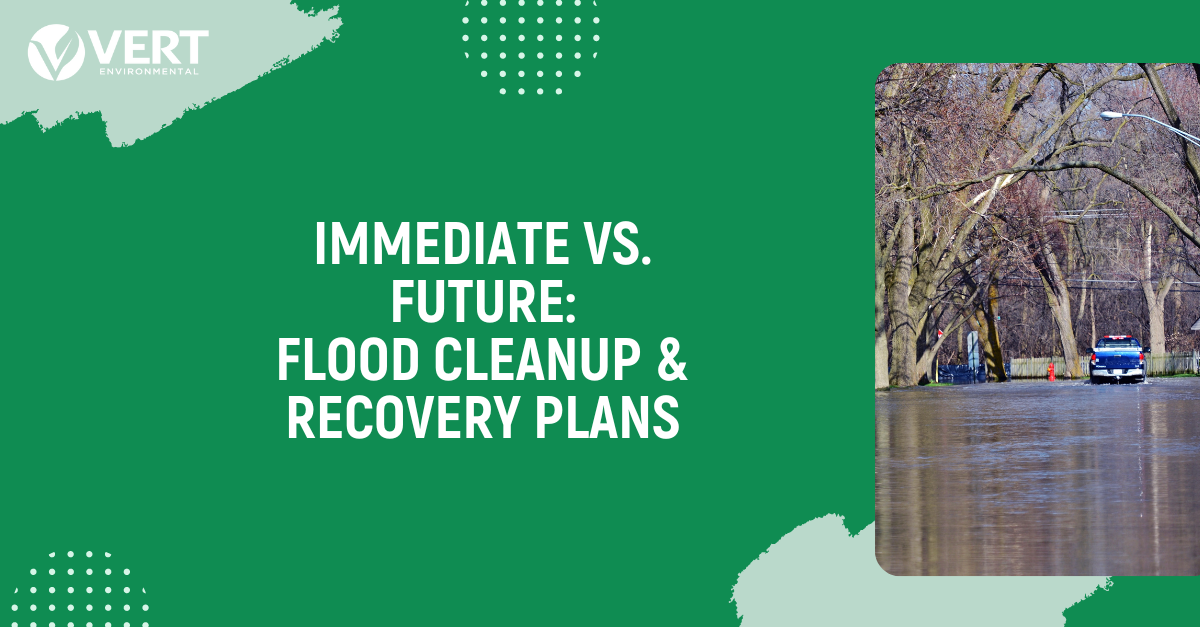
When floodwaters recede, the work of recovery begins. It’s crucial to understand the difference between short-term and long-term strategies for restoring your home and community after a flood. In this guide, we’ll explore the essential steps to take in both the immediate aftermath and the long road to recovery.
Immediate Actions After a Flood
After a flood, safety is the top priority. Here are the key steps to take in the immediate aftermath:
- Assessing Safety: Before entering your home, ensure it’s safe to do so. Look for structural damage and hazards like downed power lines.
- Removing Water and Debris: Pump out standing water and remove debris to prevent further damage and reduce the risk of mold growth.
- Mitigating Health Risks: Thoroughly dry out affected areas to prevent mold and mildew. Wear protective gear like gloves and masks to avoid exposure to contaminants.
- Contacting Authorities: Notify local authorities and your insurance company to begin the claims process and access resources for recovery.
Short-Term Cleanup and Recovery Strategies
Once the immediate dangers have passed, it’s time to focus on short-term cleanup and recovery:
- Professional Cleanup Services: Consider hiring professionals to assess damage and perform thorough cleanup and restoration.
- Mold Remediation: Address any mold growth promptly to prevent health issues and further damage to your home.
- Structural Repairs: Repair damaged structures, including walls, floors, and foundations, to restore the integrity of your home.
- Restoring Utilities: Work with utility providers to restore essential services like electricity, water, and gas.
Future Planning for Long-Term Recovery
Looking ahead to the long-term recovery process, consider the following strategies:
- Assessing Structural Damage: Evaluate the extent of damage to your home and develop a plan for long-term repairs and renovations.
- Preventing Future Flooding: Implement measures to mitigate the risk of future flooding, such as installing flood barriers or improving drainage systems.
- Resilient Design Practices: Incorporate resilient design and construction practices to enhance the durability and sustainability of your home.
- Community-Wide Recovery Efforts: Participate in community-wide recovery efforts, including support programs and initiatives to rebuild and revitalize affected areas.
Key Considerations for Both Phases
Throughout the cleanup and recovery process, keep these considerations in mind:
- Health and Safety: Prioritize the health and safety of yourself and your family members by following proper safety protocols and seeking professional assistance when needed.
- Environmental Impact: Be mindful of the environmental impact of flood cleanup activities and take steps to minimize pollution and contamination.
- Professional Assistance: Work with experienced professionals, such as Vert Environmental, to navigate the complexities of flood recovery and ensure the best possible outcome.
- Community Engagement: Stay connected with neighbors and community resources to share information, support each other, and coordinate recovery efforts.
Recovering from a flood requires both immediate action and long-term planning. By understanding the difference between short-term and long-term strategies and seeking professional assistance when needed, you can navigate the challenges of flood recovery successfully.
Remember, Vert Environmental is here to support you every step of the way.
Visit our website at www.vertenviro.com to learn more about our services and how we can help with your flood recovery efforts.

Related Articles

Asbestos Clearance Testing: What Insurance Adjusters and Restoration Contractors Need
AHERA Compliance: What California Schools Need in an Asbestos Management Plan