
Asbestos Threats in Storm-Damaged Buildings
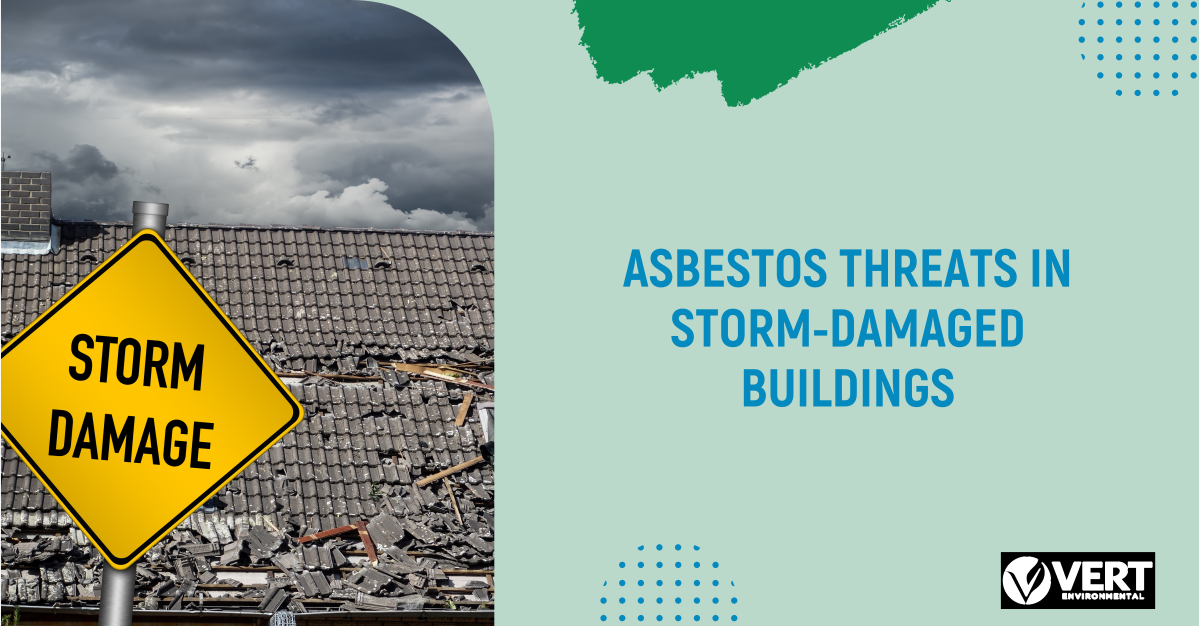
The aftermath of a powerful storm can be both daunting and dangerous. While the immediate focus is on assessing structural damage and ensuring safety, there’s a hidden threat that often goes unnoticed—asbestos. In this guide, we’ll shed light on the potential asbestos threats lurking in storm-damaged buildings and provide essential information to keep you safe.
Understanding Asbestos
The Silent Hazard
Before diving into the specifics of asbestos in storm-damaged structures, let’s grasp what asbestos is and why it’s a concern:
A Brief Overview:
- Asbestos is a naturally occurring mineral known for its heat resistance, strength, and insulating properties.
- It was widely used in construction materials, including insulation, roofing, flooring, and more, until its health risks became evident.
Health Risks:
- Asbestos exposure can lead to severe respiratory illnesses, including mesothelioma and lung cancer.
- Even brief exposure to asbestos fibers can be harmful, making its removal and management critical.
Asbestos in Building Materials
Where Asbestos Hides
Asbestos was once hailed as a miracle material, finding its way into numerous building components. Understanding where asbestos may be lurking is crucial:
Common Asbestos-Containing Materials:
- Insulation: Asbestos was commonly used in thermal insulation to resist high temperatures.
- Roofing Materials: Asbestos cement sheets and shingles provided durability.
- Flooring: Vinyl tiles and linoleum often contained asbestos fibers.
- Drywall and Ceiling Tiles: Asbestos was used in joint compound and textured ceilings.
Storm Damage & Asbestos Release:
- When storms strike, they can damage or displace asbestos-containing materials, releasing harmful fibers into the air.
- The damage may not always be visible, making early detection critical.
Risks of Asbestos Exposure
The Price of Ignorance
Understanding the consequences of asbestos exposure underscores the importance of vigilance:
Respiratory Health Concerns:
- Inhaling asbestos fibers can lead to breathing difficulties, persistent coughing, and chest pain.
- Long-term exposure can result in devastating illnesses like mesothelioma.
Vulnerable Populations:
- Children, the elderly, and individuals with pre-existing respiratory conditions are at heightened risk.
- Protection is paramount for these groups.
Identifying Storm-Damaged Buildings
Recognizing the Signs
After a storm, it’s crucial to be alert to signs of damage in buildings:
Water Infiltration:
- Water leaks, dampness, and moisture damage can indicate compromised building materials.
- Wet insulation and ceiling tiles may contain asbestos.
Structural Issues:
- Storms can weaken structures, potentially dislodging asbestos-containing materials.
- Cracked or crumbling building components may release asbestos fibers.
Debris and Dust:
- Visible dust or debris in the aftermath of a storm could contain asbestos particles.
- Be cautious when cleaning up storm-damaged areas.
Asbestos Testing
Unveiling Hidden Threats
Testing for asbestos is a crucial step when dealing with storm-damaged buildings:
Why Test?
- Testing helps determine the presence of asbestos and the extent of contamination.
- It ensures that appropriate safety measures are taken during cleanup and restoration.
Types of Testing:
- Air Testing: Measures airborne asbestos fibers.
- Material Testing: Samples building materials suspected of containing asbestos.
- Professional assessment is recommended for accurate results.
Safety Measures
Protecting Yourself
When dealing with storm-damaged buildings that may contain asbestos, safety is paramount:
Protective Gear:
- Wear appropriate personal protective equipment (PPE), including masks, gloves, and coveralls.
- Use N95 respirators designed to filter out asbestos fibers.
Sealing Off Contaminated Areas:
- Isolate areas with suspected asbestos contamination to prevent fiber dispersion.
- Mark off contaminated zones and limit access.
Professional Remediation
Leave It to the Experts
Handling asbestos in storm-damaged buildings requires expertise:
Certified Professionals:
- Certified asbestos abatement professionals follow strict safety protocols.
- They have the knowledge and equipment to safely remove and dispose of asbestos.
Proper Procedures:
- Asbestos removal must adhere to legal requirements and safety standards.
- Ensure thorough remediation to prevent future risks.
DIY vs. Professional Handling
Making Informed Choices
When it comes to asbestos, safety should never be compromised:
DIY Approach:
- DIY removal may be suitable for small, low-risk projects.
- However, it’s essential to follow safety guidelines and regulations.
Professional Services:
- Professionals are equipped to handle complex asbestos removal scenarios.
- Consider professional assistance for extensive contamination.
Reporting Asbestos Discoveries
Legal and Ethical Responsibility
If you discover asbestos in storm-damaged buildings, it’s crucial to take the right steps:
Legal Obligations:
- Depending on your location, there may be legal requirements for reporting asbestos findings.
- Comply with local regulations to protect yourself and others.
Insurance Considerations
Understanding Coverage
Navigating insurance in asbestos-related cases can be complex:
Review Policies:
- Examine your insurance policies to understand coverage for asbestos-related issues.
- Seek clarification from your insurance provider if necessary.
In the wake of a storm, it’s natural to focus on immediate safety concerns. However, don’t overlook the potential asbestos threats that may exist in storm-damaged buildings. By understanding the risks, practicing caution, and seeking professional help when needed, you can safeguard your health and the well-being of your community.
For comprehensive asbestos testing and remediation services, trust Vert Environmental as your partner in maintaining a safe environment.

Related Articles

Your Home Didn’t Burn. Can Wildfire Smoke Still Contaminate It?
Private Well Water Testing in California: What Should Homeowners Test For?