Children’s Hospital Safety: The Role of Environmental Testing
When it comes to healthcare facilities, children’s hospitals are unique and require special attention to ensure the safety and well-being of their young patients. These hospitals play a crucial role in providing medical care to children, often dealing with complex medical conditions. To create a safe and healthy healing environment, environmental testing becomes paramount. In this article, we will explore the significance of environmental testing in children’s hospitals, focusing on air quality, water quality, materials safety, and the compliance standards that must be met.
The Unique Challenges of Children’s Hospitals
Children’s hospitals face distinctive challenges due to their patient demographic. Pediatric patients, particularly infants and young children, are more vulnerable to environmental hazards than adults. Their developing bodies and immune systems make them susceptible to health issues caused by exposure to pollutants or unsafe materials. As such, maintaining a safe and healthy environment is paramount.
Types of Environmental Hazards
Air Quality
Air quality is a significant concern in any healthcare facility, but it’s especially critical in children’s hospitals. Common air quality issues include:
- Airborne Pathogens: Children are more susceptible to infections. Air quality testing helps identify and mitigate airborne pathogens.
- Allergens: Many children have allergies. Testing helps detect and reduce allergens like pollen, dust mites, and pet dander.
- Chemical Pollutants: Harmful chemicals can have a severe impact on children’s health. Testing helps ensure clean and healthy indoor air.
Water Quality
Water quality is another area of concern. Contaminated water can lead to a range of health issues, which can be particularly problematic for children with compromised immune systems. Common water quality issues include:
- Lead Contamination: Lead exposure can lead to developmental issues in children. Water quality testing identifies lead contamination sources.
- Bacterial Contamination: Waterborne bacteria can cause severe infections, making water quality testing crucial.
- Chemical Contaminants: Harmful chemicals in water can be harmful, especially to children with underlying health conditions.
Materials Safety
Children’s hospitals also need to ensure the safety of materials used in construction and furnishings. Common materials safety concerns include:
- Lead-Based Paint: Many older buildings may contain lead-based paint, which is hazardous to children if ingested or inhaled.
- Flooring and Furnishings: Materials used in flooring and furnishings may emit volatile organic compounds (VOCs) that can affect indoor air quality.
- Infection Control Materials: Hospitals must ensure the materials used are easy to clean and disinfect to prevent infections.
The Crucial Role of Environmental Testing
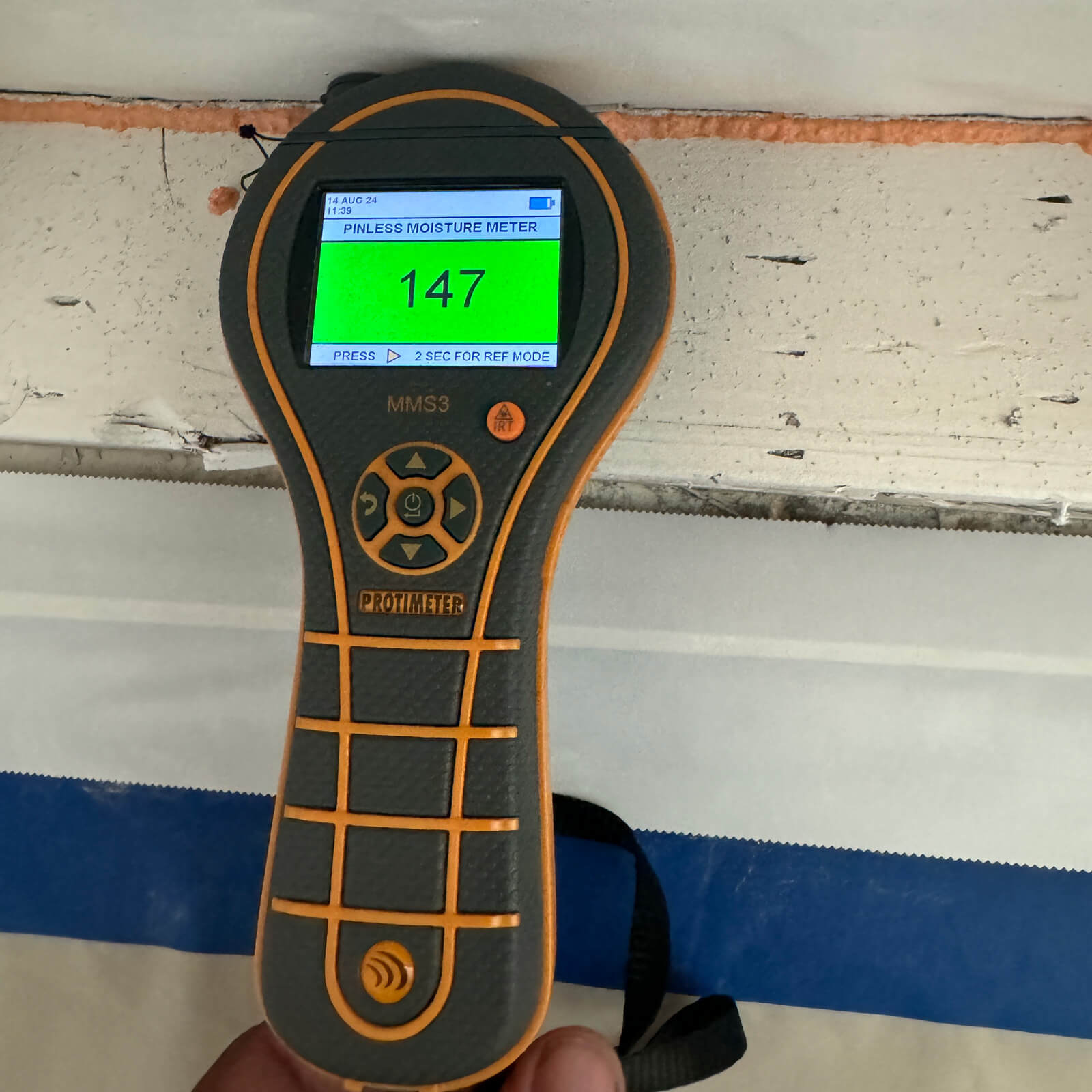
To address these environmental hazards effectively, environmental testing plays a pivotal role. Environmental testing involves the systematic assessment of air quality, water quality, and the safety of materials used in healthcare facilities. Here’s why it’s crucial:
- Identifying Hazards: Testing helps identify potential hazards, allowing hospitals to take proactive measures.
- Mitigating Risks: Once hazards are identified, steps can be taken to mitigate risks, protecting patients and staff.
- Ensuring Compliance: Environmental testing ensures that children’s hospitals meet regulatory standards and guidelines.
- Improving Patient Outcomes: By maintaining a safe and healthy environment, hospitals can improve patient outcomes and reduce healthcare-associated infections.
Compliance with Regulations
Children’s hospitals, like all healthcare facilities, must adhere to strict regulations to ensure the safety of patients and staff. Regulatory standards encompass various aspects of environmental safety, including air quality, water quality, and materials safety. Compliance with these regulations is essential to avoid legal issues and, more importantly, to protect the health of young patients.
Ensuring the safety of young patients in children’s hospitals is a top priority. Environmental testing, encompassing air quality, water quality, and materials safety, plays a pivotal role in achieving this goal. By identifying and mitigating environmental hazards, hospitals create a safe and healthy healing environment. Compliance with regulatory standards is essential, and case studies demonstrate the real-world impact of environmental testing on patient outcomes.
At Vert Environmental, we understand the unique needs of children’s hospitals. We offer comprehensive environmental testing services to help you create a safe and healthy environment for your young patients. Visit our website to learn more about our testing services and how we can support your hospital’s safety initiatives.

Related Articles

Sewage Backup After Heavy Rain: When Testing Matters
Asbestos in Popcorn Ceilings: Test Before You Scrape