
Lead Paint Testing Before Remodeling: What Pre-1979 California Homeowners Need to Know
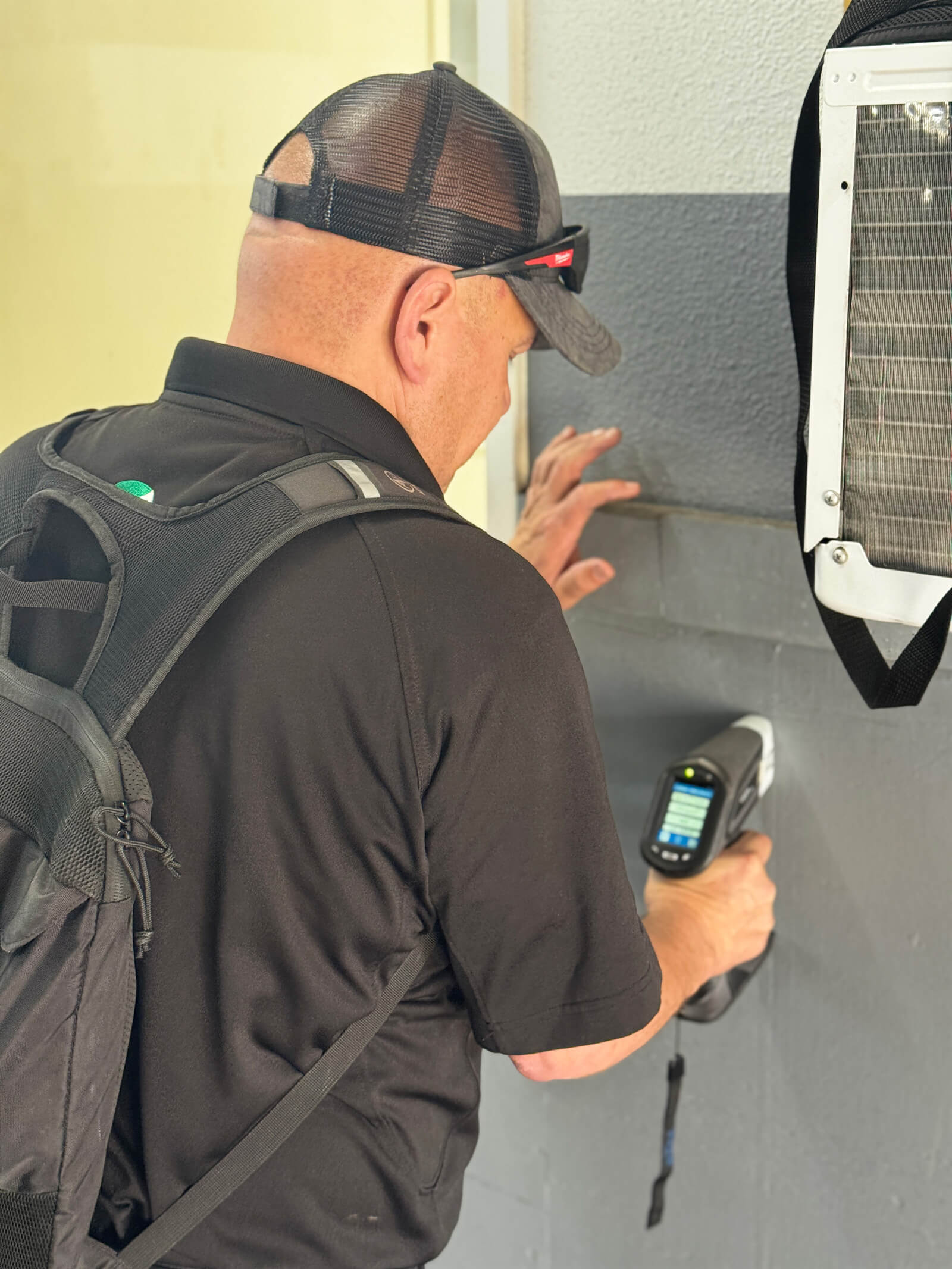
That original 1960s trim, the window frames, the kitchen cabinets: if your home was built before 1979, there’s a good chance some of that paint contains lead. Undisturbed and in good shape, it’s usually not a hazard. Sanding, scraping and demolition are what turn it into lead dust that settles on floors, toys and windowsills.
The good news: a lead test before your remodel tells you exactly which surfaces need care, and which don’t.
Quick answer: do I need to test for lead paint before remodeling?
If your home was built before 1979 and the remodel will disturb painted surfaces, yes, test first. Most California cities use 1978 as the cutoff for testing paint for lead; the City of San Diego uses 1979. The California Department of Public Health says most pre-1978 homes have some lead paint and recommends having the areas you’ll remodel tested by a certified lead inspector/assessor before work begins.
The year cutoff applies to paint only. Other building materials can also contain lead, and they don’t have a cutoff year, so ask your inspector what else in your home should be checked.
Why test instead of assuming?
Under the EPA’s Renovation, Repair and Painting (RRP) rule, contractors working on painted surfaces in pre-1978 homes must either confirm the paint isn’t lead-based or treat it as if it is, using lead-safe work practices.
Testing can:
- Narrow the work: only surfaces that test positive need lead-safe handling
- Make bids comparable: every contractor bids on the same facts
- Protect your family, especially young children and anyone pregnant, from dust during the work
- Give you a record for future projects and for when you sell
Which projects disturb painted surfaces?
- Window and door replacement (frames, sills, trim)
- Kitchen and bathroom remodels (cabinets, walls, trim)
- Removing or cutting into walls and plaster
- Sanding or scraping before repainting, inside or out
- Replacing baseboards, crown molding or built-ins
Three ways to test, compared
| Method | How it works | Good for | Limits |
|---|---|---|---|
| XRF inspection | A certified inspector reads each surface with a handheld XRF analyzer; no paint is removed | Fast, on-site results for many surfaces; whole rooms or homes | Needs a certified inspector and the equipment |
| Paint chip sampling | Small samples are sent to an accredited lab | Confirming specific surfaces | Damages the surface; you wait on lab results |
| DIY test kits | A swab changes color if lead is present | Quick screening | EPA recognizes some lead test kits for certified renovators, but they don’t replace an inspection |
Vert uses Viken XRF analyzers for on-site lead paint inspections. See how Viken XRF lead testing works.
Inspection or risk assessment?
- A lead inspection answers: which painted surfaces contain lead? It’s the right choice before a remodel.
- A risk assessment answers: is there a lead hazard right now? It looks at paint condition, dust and soil. It’s the right choice if paint is peeling, a child has an elevated blood lead level, or you’re buying a home.
In California, both should be done by someone certified by the California Department of Public Health.
What happens with the results?
- No lead on the surfaces you’re disturbing: your contractor can proceed normally on those surfaces.
- Lead found: your contractor uses lead-safe practices (containment, no dry sanding, HEPA cleanup) on those surfaces, or you plan abatement. See what happens if lead is found.
- After the work: clearance dust testing can confirm the area is clean before your family moves back in.
Before you remodel: lead checklist
- Was the home built before 1979? (Most cities use 1978 as the cutoff for paint; the City of San Diego uses 1979.)
- Which painted surfaces will be cut, sanded, scraped or removed?
- Are there other materials in the work area your inspector should check for lead?
- Do young children live in or visit the home? Is anyone pregnant?
- Is there peeling or chipping paint now?
- Is your contractor EPA RRP certified?
- Do you have earlier lead test results?
FAQ
Does every older house have lead paint?
Not every one, but CDPH says most pre-1978 homes have some. Only a test tells you which surfaces. Most cities use 1978 as the cutoff for testing paint; the City of San Diego uses 1979.
Is paint the only thing that can contain lead?
No. The year cutoff applies to paint. Other building materials can contain lead regardless of when the home was built, so your inspector may recommend checking them too.
Can I just use a hardware-store test kit?
Kits can screen, but a certified XRF inspection gives reliable results for every surface you’ll disturb.
Is lead paint dangerous if I don’t disturb it?
Paint in good condition is usually not a hazard. Remodeling, peeling paint and friction surfaces like windows are the concern.
How long does a lead inspection take?
It depends on the size of the home and how many surfaces you’ll disturb. XRF gives results on-site, so there’s no wait for a lab.
Does my contractor need to be certified?
For pre-1978 homes, contractors disturbing painted surfaces must follow the EPA’s RRP rule, which requires certification.
Should I test if I’m only painting?
If you’ll sand or scrape old paint first, yes. Painting over sound paint with no prep usually doesn’t disturb it.
Remodeling an older home? Know before you sand.
Vert Environmental’s CDPH-certified lead professionals test your home on-site with Viken XRF, so your contractor knows exactly which surfaces need lead-safe work. Learn more about our lead testing services. We serve Southern California and the Bay Area, with a proposal within 24 hours of the job walk.

Related Articles

After the Storm: How to Find Hidden Leaks Before They Turn Into Mold
The Property Manager’s Water-Damage Checklist: What to Do in the First 48 Hours