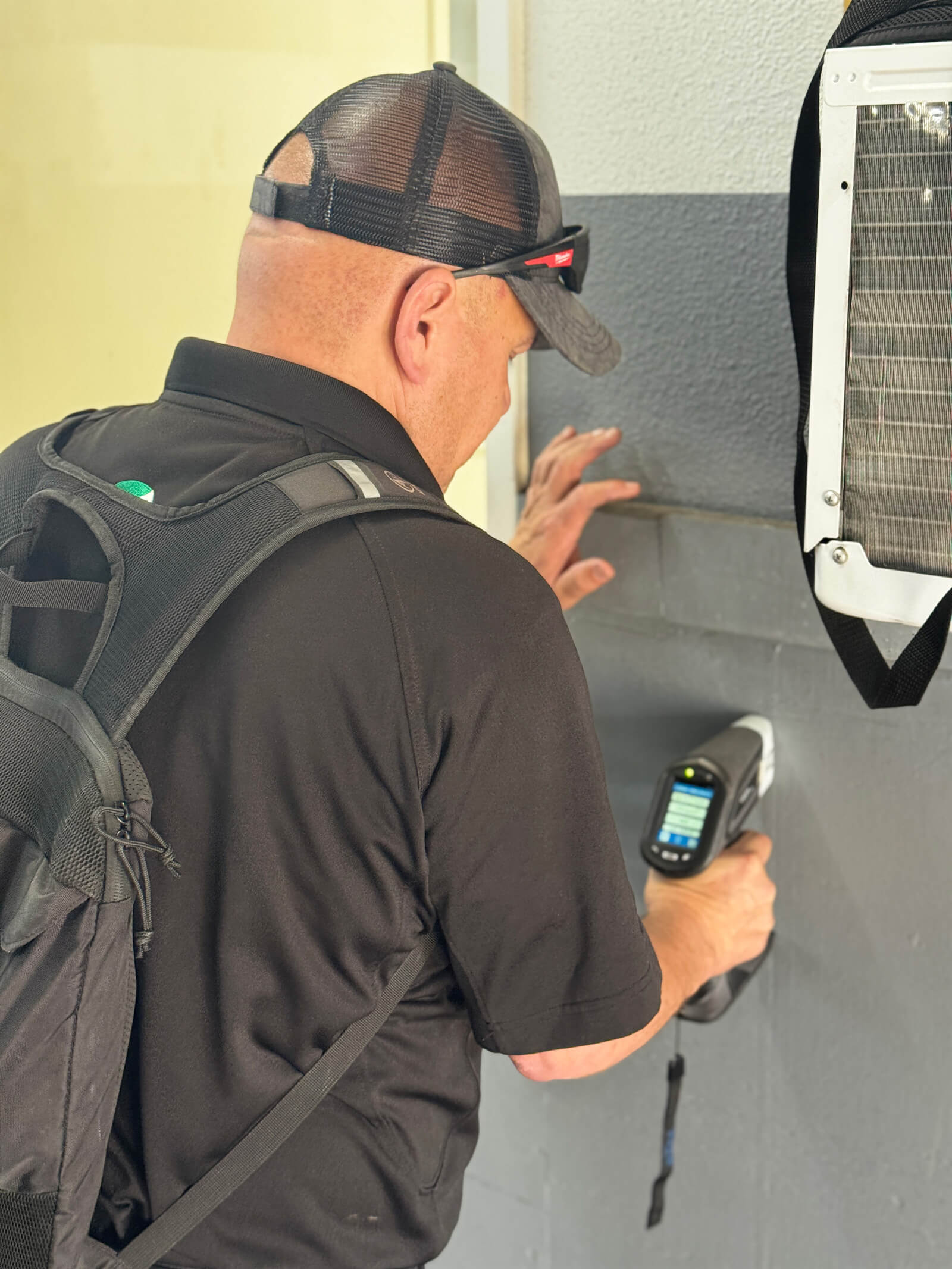
Asbestos in Popcorn Ceilings: Test Before You Scrape
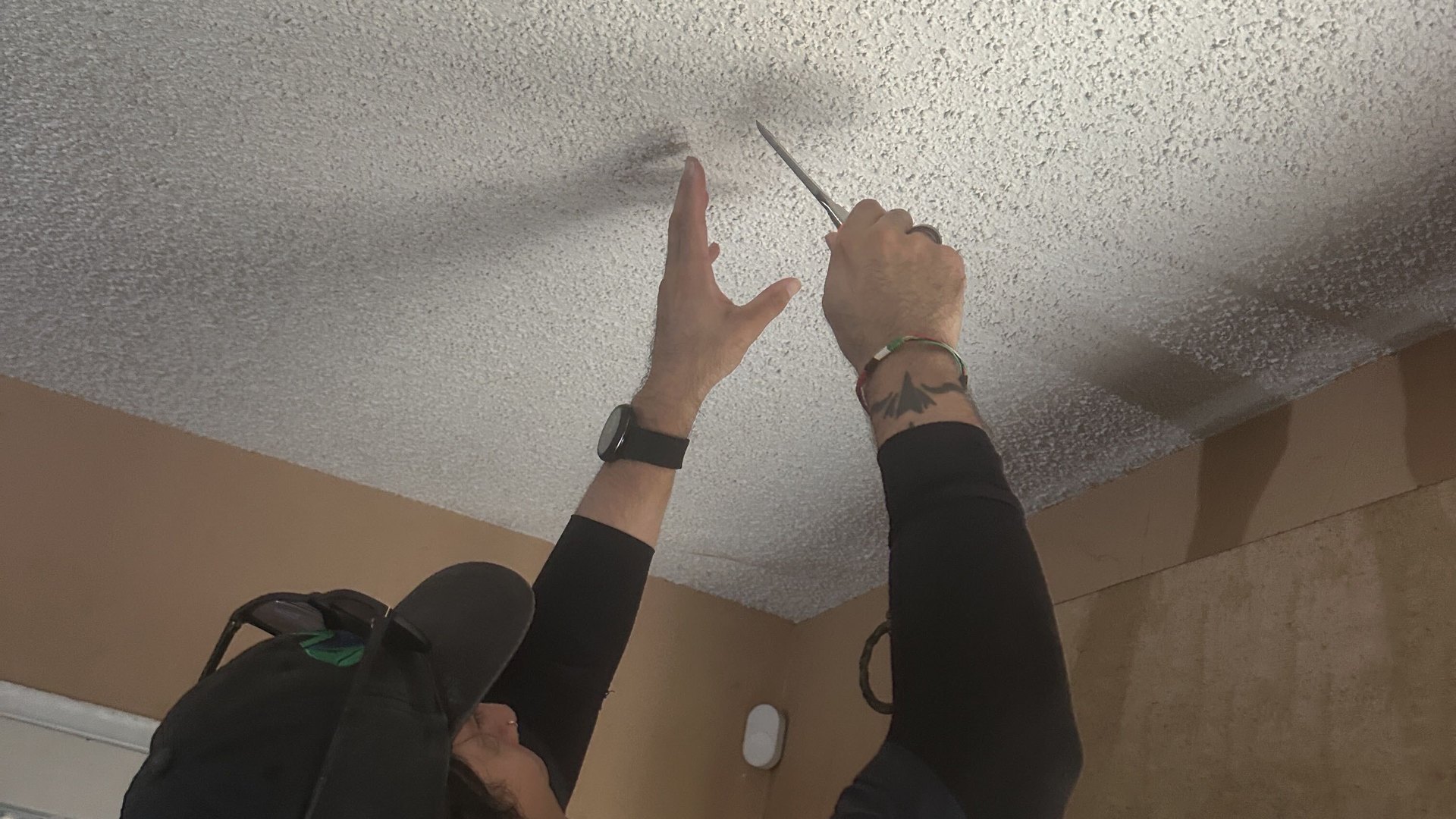
Popcorn ceilings were everywhere for decades, and plenty of California homeowners are ready to see them go. Scraping one off looks like an easy weekend project. But some older textured ceilings contain asbestos, and the only way to know is to test a sample before anyone sprays, scrapes or sands.
Does my popcorn ceiling have asbestos?
It might. Not every popcorn ceiling contains asbestos, but many sprayed-on textured ceilings were installed with it before about 1980, and some into the early 1980s. You can’t tell by looking at it. The color, texture and age of the house are clues, not answers. A lab test is the only way to know for sure.
Is it dangerous if I leave it alone?
Usually not, if it’s in good condition. EPA says the best thing is usually to leave asbestos-containing material alone if it’s in good condition. The concern starts when the material is damaged or disturbed and fibers can get into the air. That’s why testing matters most before a project, not after.
Signs the ceiling may need attention:
- Peeling, crumbling or flaking texture
- Water stains or sagging from a roof or plumbing leak
- Plans to scrape, sand, drill, install lights or fans, or remove drywall
Why you shouldn’t scrape first and ask later
EPA advises not to saw, sand, scrape or drill holes in asbestos-containing materials. Scraping a ceiling, especially a dry one, can release dust into the whole room, onto floors and furniture, and into the HVAC system. If the ceiling turns out to contain asbestos, cleanup becomes a much bigger and more expensive job.
How is a popcorn ceiling tested?
EPA recommends that a trained and accredited asbestos professional take the samples. Here’s what that usually looks like:
- The inspector looks at the ceilings you plan to work on, room by room (different rooms can have different texture).
- Small samples are collected carefully to limit dust.
- Samples are analyzed by independent laboratories accredited under AIHA-LAP (EMLAP and ELLAP), EPA NLLAP, and NVLAP.
- You get a written report showing whether asbestos was found and where.
DIY test kits exist, but collecting the sample yourself means disturbing the material, so it’s safer to have a trained inspector take it.
What happens if it tests positive?
You have options, and removal isn’t always the first one:
- Leave it in place if it’s in good condition and you aren’t renovating that area.
- Cover or enclose it (for example, new drywall over the ceiling), so it isn’t disturbed.
- Remove it through a qualified asbestos abatement contractor. EPA says removal should be done only by a trained and accredited asbestos professional.
In California, contractors doing asbestos-related work on 100 square feet or more of asbestos-containing construction material must be registered with Cal/OSHA. Local air districts have their own renovation rules too. In the South Coast AQMD area (Orange County, Los Angeles and parts of Riverside and San Bernardino counties), Rule 1403 sets survey and notification requirements. Owner-occupants doing the work themselves on a single-unit home they live in are exempt; landlords and investors are not. San Diego County (APCD Rule 1206) and the Bay Area have their own rules, so check with your local air district before work starts.
After removal, clearance testing helps verify the work area is clean before you move back in. See our guide to asbestos clearance testing.
What if it tests negative?
A negative result covers the samples taken. Keep the lab report, and ask whether other rooms or layers need sampling before work starts. Your contractor may ask for the report, and it’s useful if you sell the home later.
Planning a remodel? Test more than the ceiling
Popcorn ceilings aren’t the only older material that can contain asbestos. Some flooring, drywall joint compound, insulation and duct wrap can too, and homes built before 1978 may have lead-based paint. If you’re opening walls or pulling up floors, test everything the project will disturb in one visit. See our Environmental Testing Before Remodeling guide.
FAQ
Can I tell if a popcorn ceiling has asbestos by looking at it?
No. Only a lab test can confirm it.
Is a popcorn ceiling safe if I don’t touch it?
EPA says asbestos-containing material in good condition is usually best left alone. Have it tested before any work that could disturb it.
Can I remove an asbestos popcorn ceiling myself?
We don’t recommend it. EPA says removal should be done only by trained and accredited professionals, and California and local air districts have their own rules for asbestos work.
How much does popcorn ceiling testing cost?
It depends on the number of rooms and samples. Request a free quote and we’ll give you a clear price upfront.
Know before you scrape
Vert Environmental’s certified inspectors sample your ceilings and send them to an accredited lab, so you know exactly what you’re working with before your project starts. We serve Southern California and the Bay Area. Same-day testing is available, and we send a proposal within 24 hours of the job walk.
Call us: San Diego (858) 433-3290 · Orange County (714) 515-5095 · Bay Area (415) 857-9443
Related reading: Ultimate Guide to Asbestos Clearance Testing · Environmental Testing Before Remodeling · Positive Test Results: Asbestos and Lead Abatement · Asbestos Testing

Related Articles

Sewage Backup After Heavy Rain: When Testing Matters
After the Storm: How to Find Hidden Leaks Before They Turn Into Mold